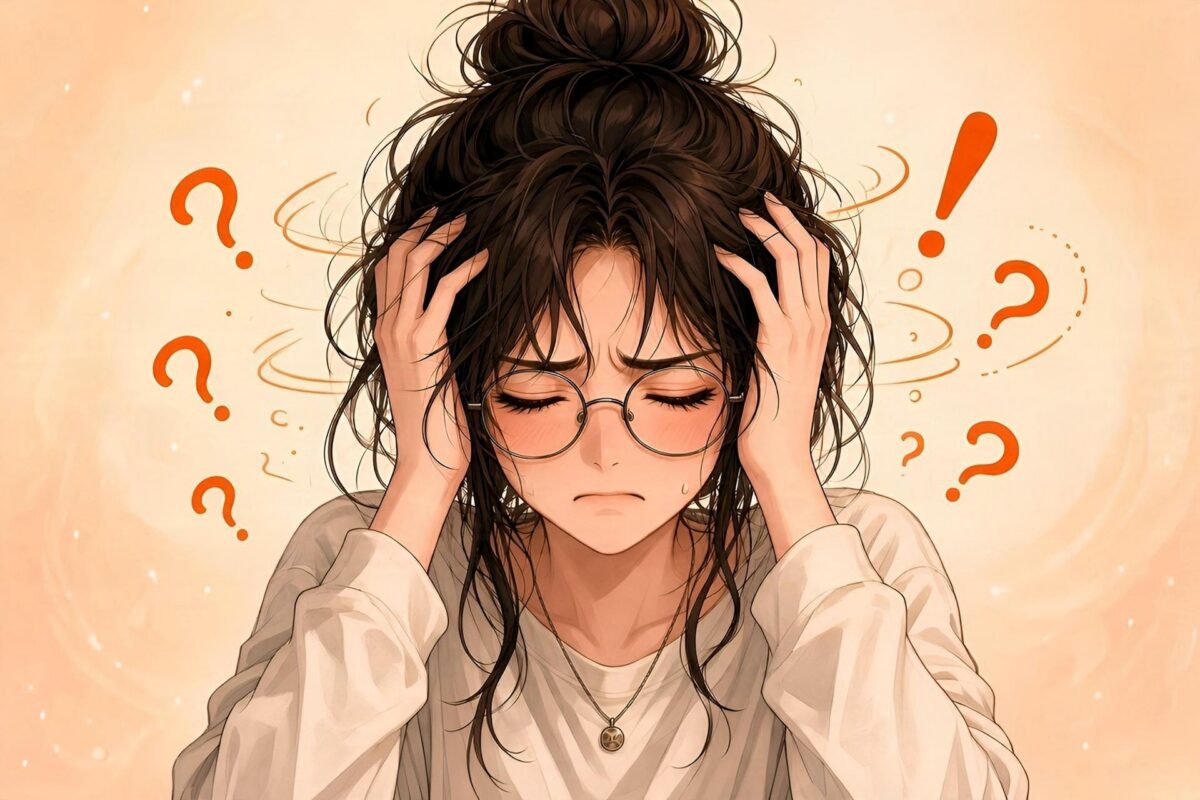
Why is Anime so Weird? Anime has become such a massive cultural phenomenon. Even as an avid fan, if you take a step back and look at Japanese animation and the global culture surrounding it with completely neutral eyes, there’s only one thought that accurately sums it up: “Yeah, Anime is pretty weird”.
Perhaps it was someone arguing online about who would win in a fight, Goku or One Punch Man.
Maybe it was a person carrying around a body pillow covered in anime characters making suggestive faces.
Or an entire convention center full of people dressed as magical girls, most of whom were men.
Yes, Anime is weird.
The fandom is weird.
And we absolutely love it.
The “Weeb” Vocabulary
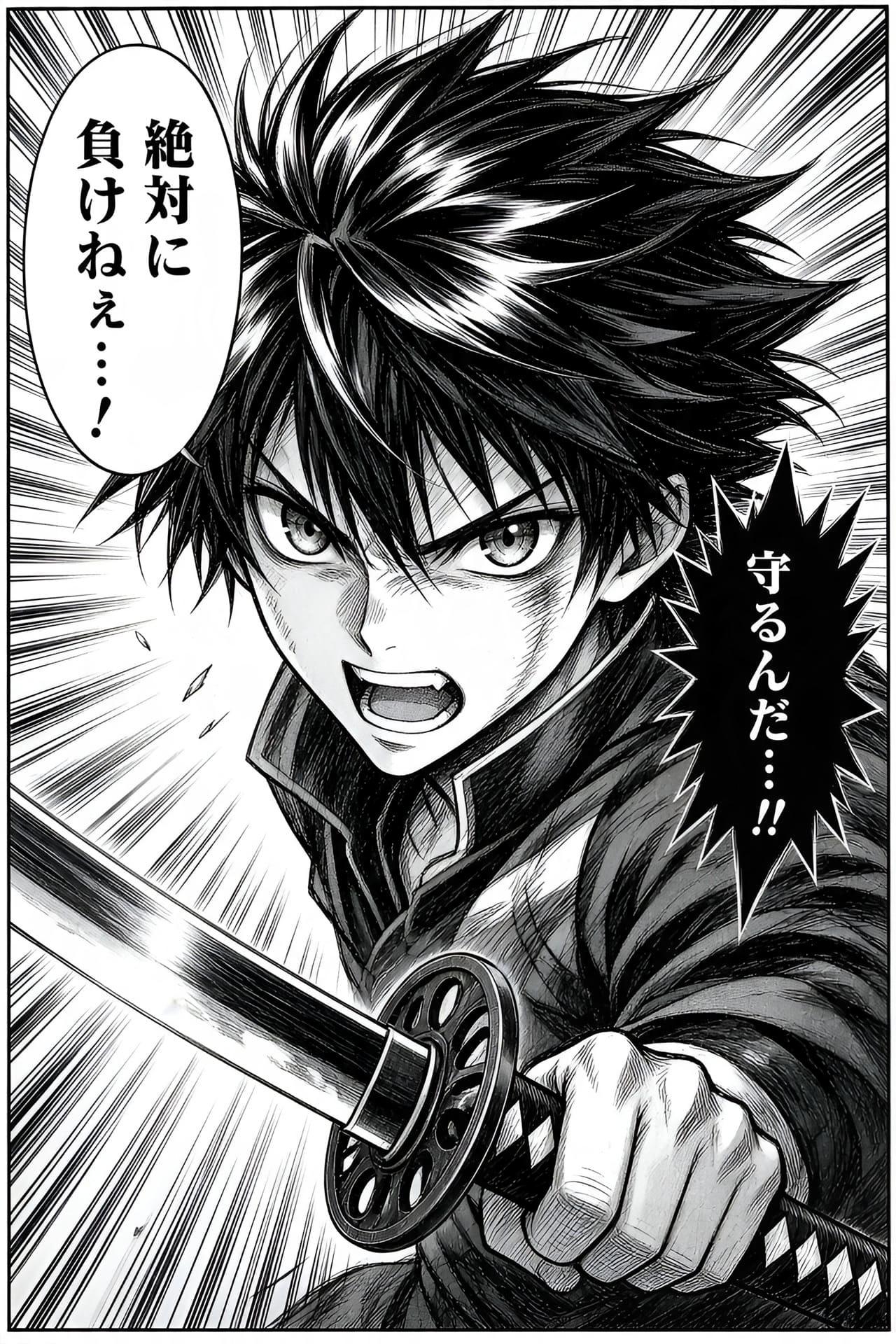
Every fandom develops unique terminology, but anime fans often take things to another level. Nothing says “anime fandom” quite like hearing someone randomly call their friend “baka” in public.
Fans sprinkle Japanese words into everyday conversations despite not actually speaking Japanese. Spend five minutes in an anime discussion and you’ll probably hear words like: Waifu, Husbando, Tsundere, Isekai, Senpai, Otaku, Shonen.
Using these words creates an informal shorthand. Instead of explaining a character’s complex behavioral trait in a paragraph, calling them a tsundere instantly communicates the concept to fellow fans.
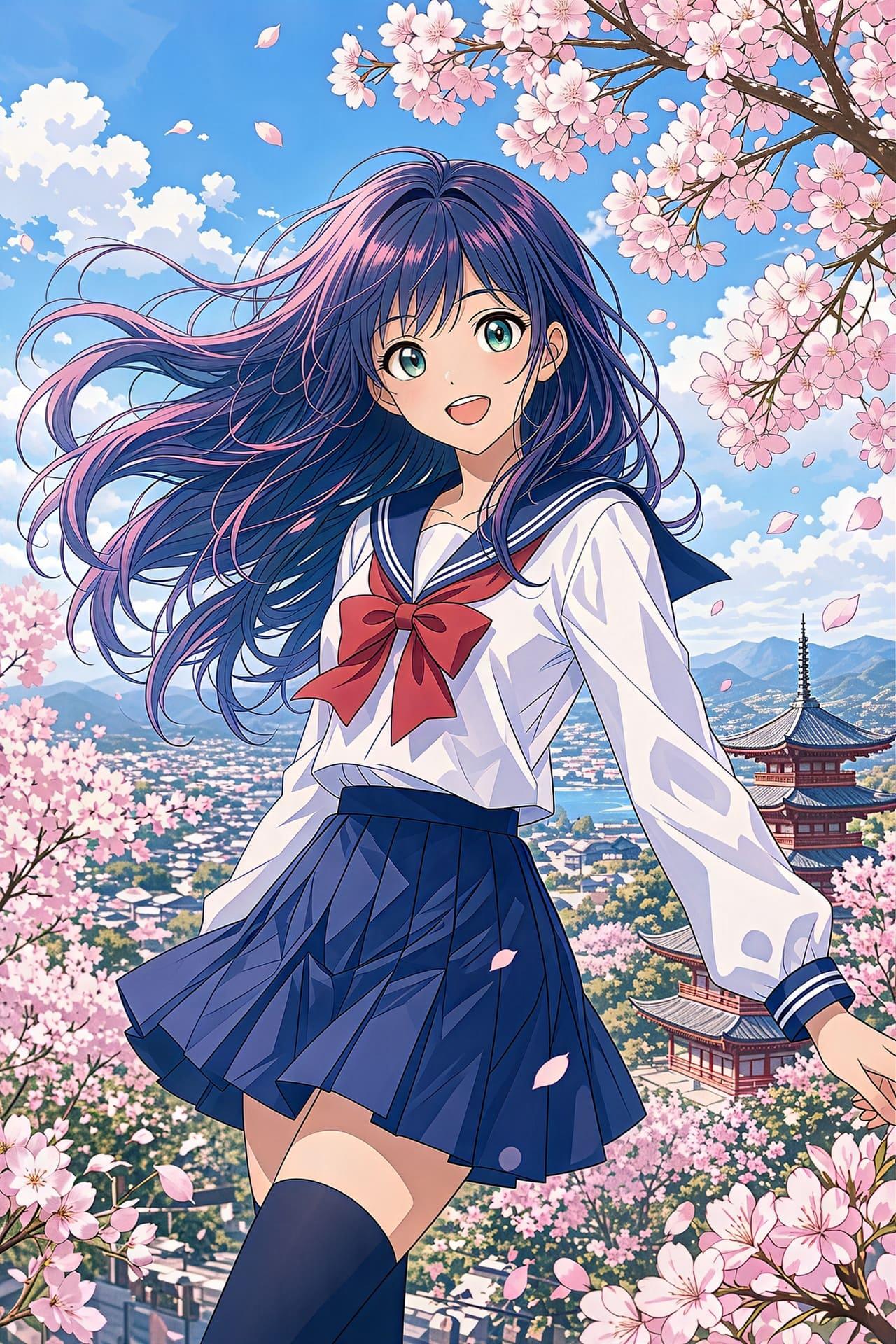
To longtime fans, these terms make perfect sense. To everyone else, it sounds like people are speaking an entirely different language.
- Tsundere / Yandere / Kuudere: Character archetypes describing specific emotional dynamics (e.g., cold on the outside, warm on the inside).
- Baka (馬鹿): Translated as “fool” or “idiot,” used affectionately or mockingly in fan discussions.
- Senpai (先輩): A senior figure or mentor, famously immortalized in internet culture via the “Notice me, senpai” meme.
- Nakama (仲間): Beyond just “friend,” it carries a deep connotation of comradeship bound by a shared journey or goal, popularized heavily by shows like One Piece.
- Waifu: A term from anime and online culture for a fictional female character (usually from anime, manga, or games) that someone feels a deep emotional or romantic attachment to, as an idealized partner.
- Husbando: A husbando is the male equivalent of a “waifu”, an idealized husband or partner.
- “Weeb” (short for weeaboo): originally started as derogatory slang for Westerners obsessed with Japanese culture to a cringey degree. Over time, the fandom reclaimed the word—turning it into an affectionate, self-deprecating label used widely within the community.
In sociolinguistics, this is known as in-group jargon. Utilizing anime-specific vocabulary serves as a digital handshake, signaling to other fans that you understand the culture, memes, and context.
The Emotional Attachment
Let’s talk about waifus.
For those unfamiliar, a waifu is essentially a fictional character that a fan becomes extremely attached to, often romantically.
Now, having a favorite fictional character isn’t unusual. People have been crushing on movie stars, fictional heroes, and celebrities for decades.
Anime fans, however, sometimes take things much further.
Entire social media accounts are dedicated to fictional characters. People buy expensive merchandise featuring their favorite waifu. Some even celebrate fictional birthdays.
To outsiders, this behavior can seem incredibly strange. To dedicated fans, it’s simply part of the culture.
The internet has amplified these attachments, creating communities where everyone shares the same passion for characters who technically don’t exist.
Anime Loves Strange Storytelling
One of the first things newcomers notice about anime is that it’s willing to do things that you would never find in Western media.
Unlike traditional Hollywood, anime creators are often willing to experiment with bizarre concepts and outlandish premises. While some of these risky ideas result in cinematic masterpieces and others crash and burn, one thing is certain—they never fail to leave an impression.
This appetite for the unconventional draws in audiences tired of formulaic mainstream media. Of course, it also leads to plenty of side-eyes from outsiders, who look at what anime fans are watching and wonder if they’ve completely lost their minds.
Want a story about giant humanoid robots fighting alien invaders?
Anime has it.
Want a series about a notebook that allows people to kill anyone by writing their name?
Anime has it.
Want a show about a guy being reincarnated as a vending machine?
Anime somehow has that too.
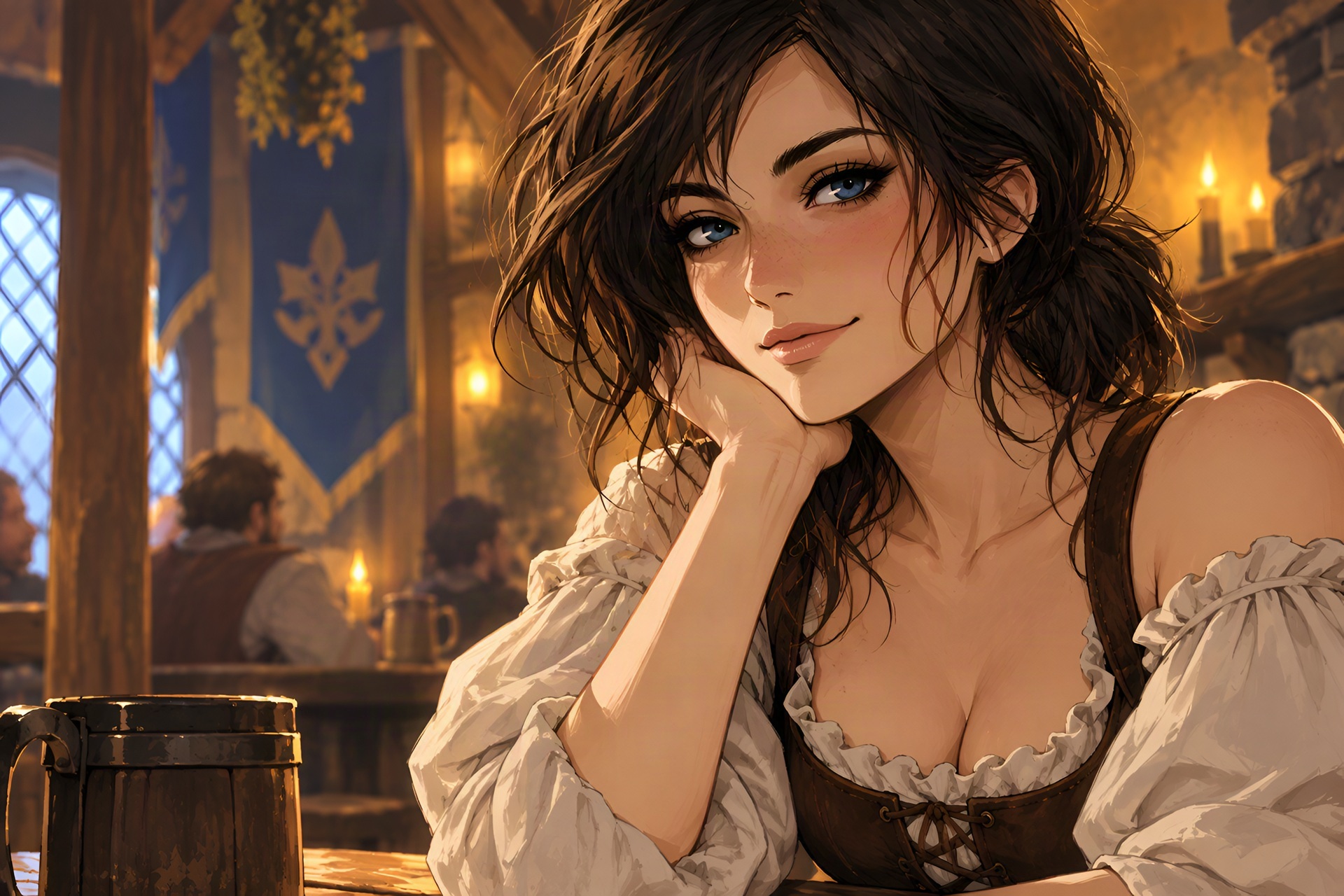
However, sometimes anime might lean into uncomfortable tropes—over-sexualized fanservice characters or the infamous “she’s actually a 1,000-year-old immortal dragon” line.
The Convention Scene
Anime conventions are one of the weirdest and most wonderful aspects of the fandom.
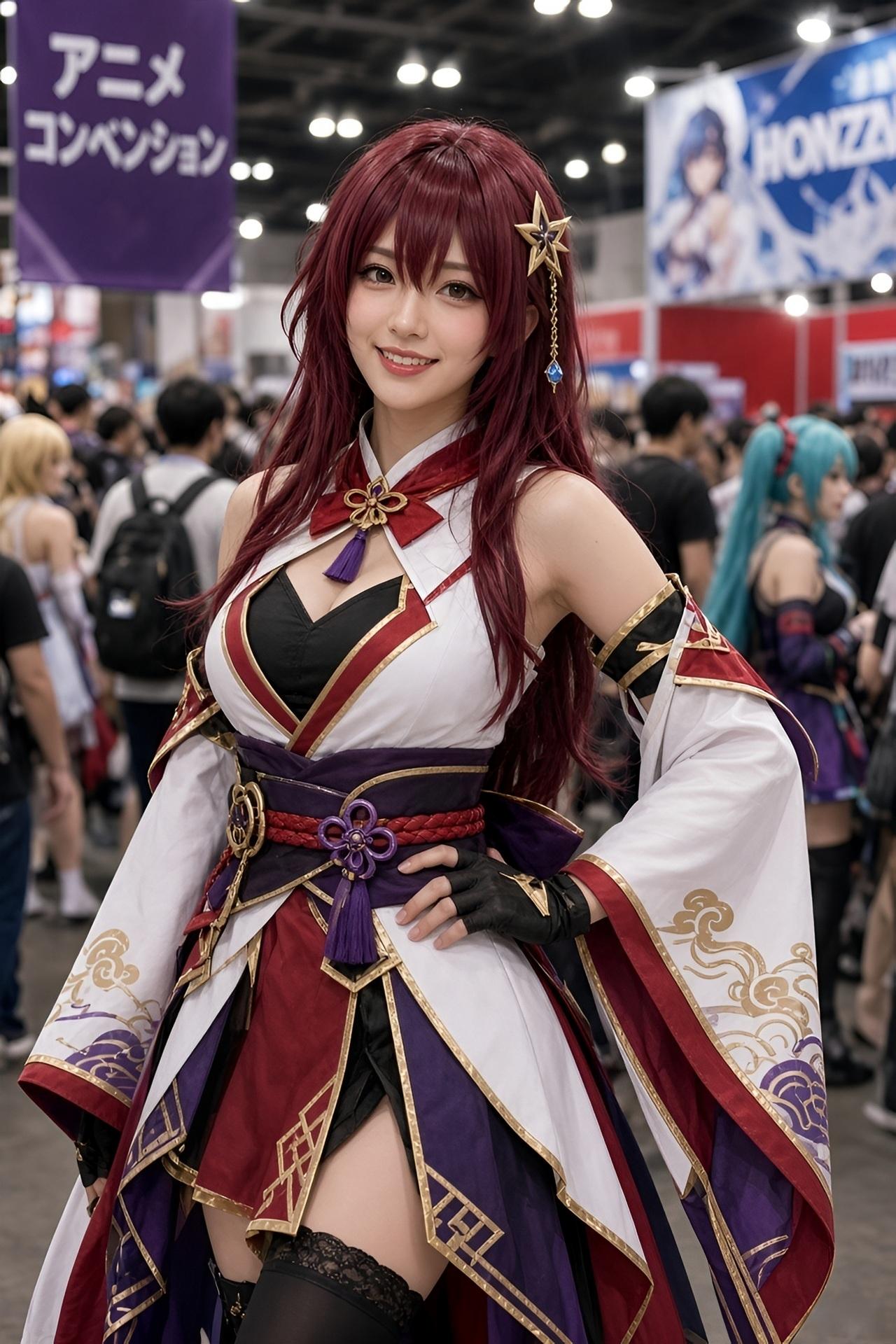
You’ll see warriors carrying oversized swords, People dressed as maids, Characters from shows you’ve never heard of!
Imagine walking into a building where thousands of people have collectively decided that dressing as fictional characters is completely normal.
To outsiders, it can look absolutely ridiculous. To participants, it’s a celebration of creativity and self-expression.
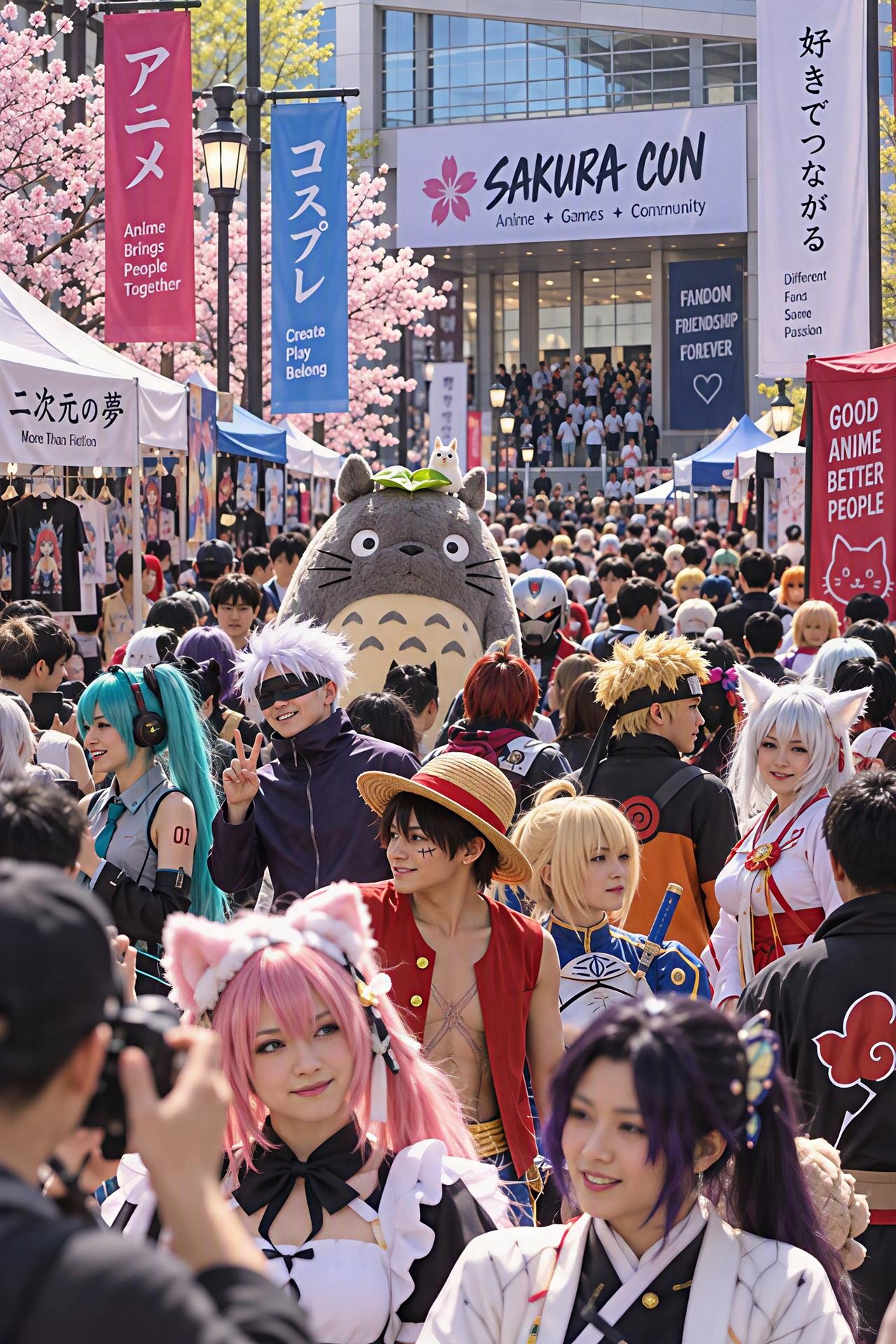
What makes conventions special is that they’re one of the few places where anime fans can be completely themselves without feeling judged.
The Merchandise Culture of Anime
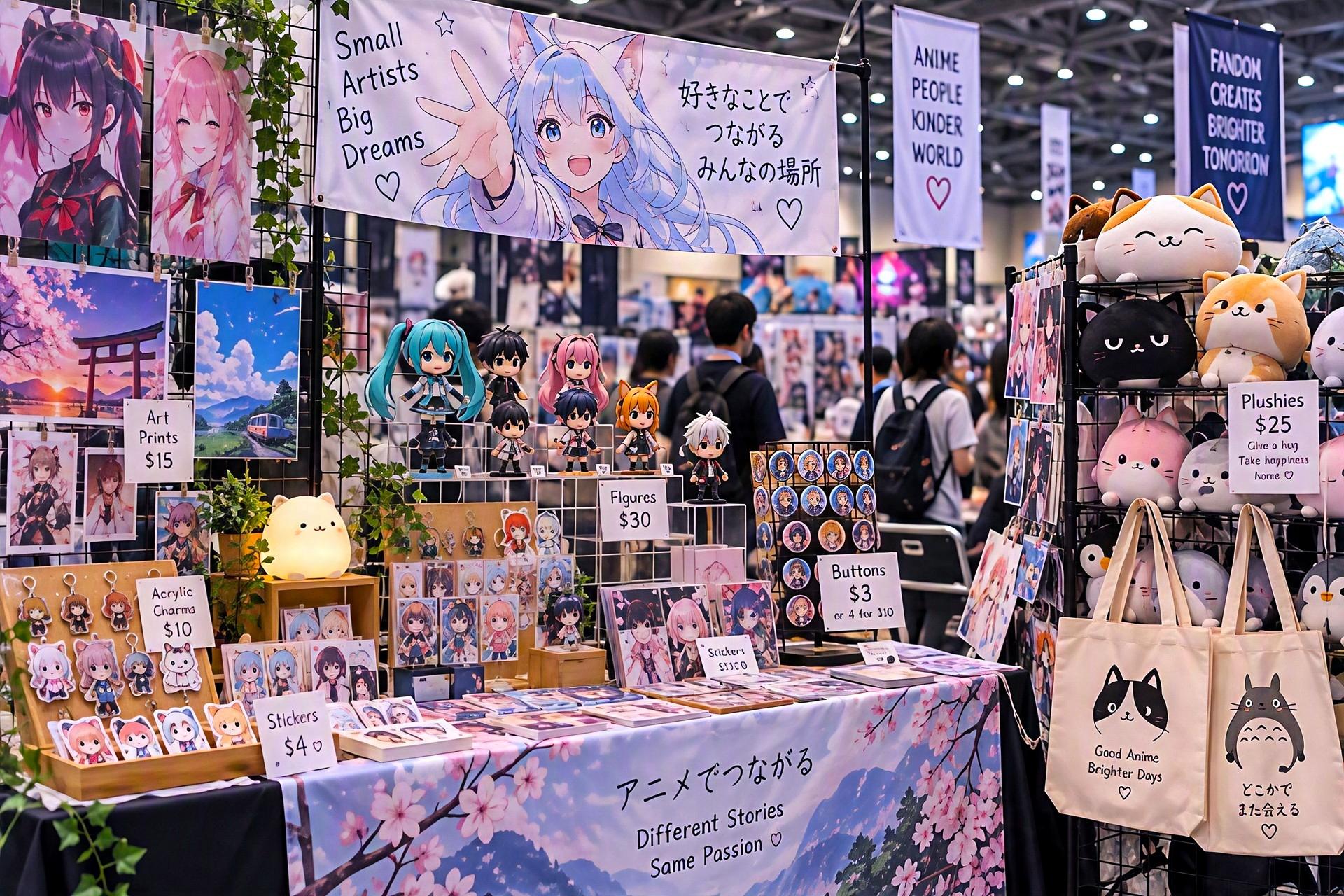
Most fandoms have merchandise. Anime fandom has merchandise for absolutely everything.
Figures, Posters, Keychains, Wall scrolls, Trading cards, Mouse pads, Body pillows, Limited editions, Ultra-limited editions.
Some collectors spend thousands of dollars building displays dedicated to their favorite series.
Again, this looks strange from the outside. But for many fans, collecting is part of expressing their enthusiasm for something they genuinely love.
Anime Debates Are Peak Fan Culture
Subbed vs. Dubbed, Goku vs. Superman.
If you’ve spent five minutes in an anime forum, comment section, or group chat, you’ve seen them: multi-paragraph essays arguing whether Naruto was better than One Piece, or heated breakdowns of power scaling rules in a series, or the fierce defense of who qualifies as “Best Girl.”
Ask a simple question like: “What’s the best anime?“
You will receive hundreds of answers!
Questions? Ask them here.
Do y’all agree?
by u/Unlikely-Papaya651 in DaGrimmReaperGG
Fans debate power scaling, story quality, character development, animation quality, and fictional relationships with the intensity of professional lawyers presenting a court case.
Even the oddest discussions give birth to iconic fandom memes, inside jokes, and viral content that unite millions of viewers globally.
Whether you win or lose an argument about power levels, you end up connecting with people who share your exact hyper-fixations.
At its core, debating anime is a way of saying, “I care about this story as much as you do.”
While everyone has their preferences, the debate itself has become a legendary rite of passage for every anime fan.
Embrace the Escapism
One reason anime attracts such dedicated followers is because it often provides powerful escapism.
Many anime stories transport viewers to magical worlds where ordinary people become heroes, gain incredible powers, or discover their true potential.
This isn’t unique to anime. Fantasy novels, video games, and superhero movies do the same thing. Anime simply embraces the concept with fewer limitations.
As a result, some fans become deeply invested in these fictional worlds. While most people enjoy anime in moderation, some make it a major part of their identity.
That’s where the “anime fans are weird” stereotype often comes from.
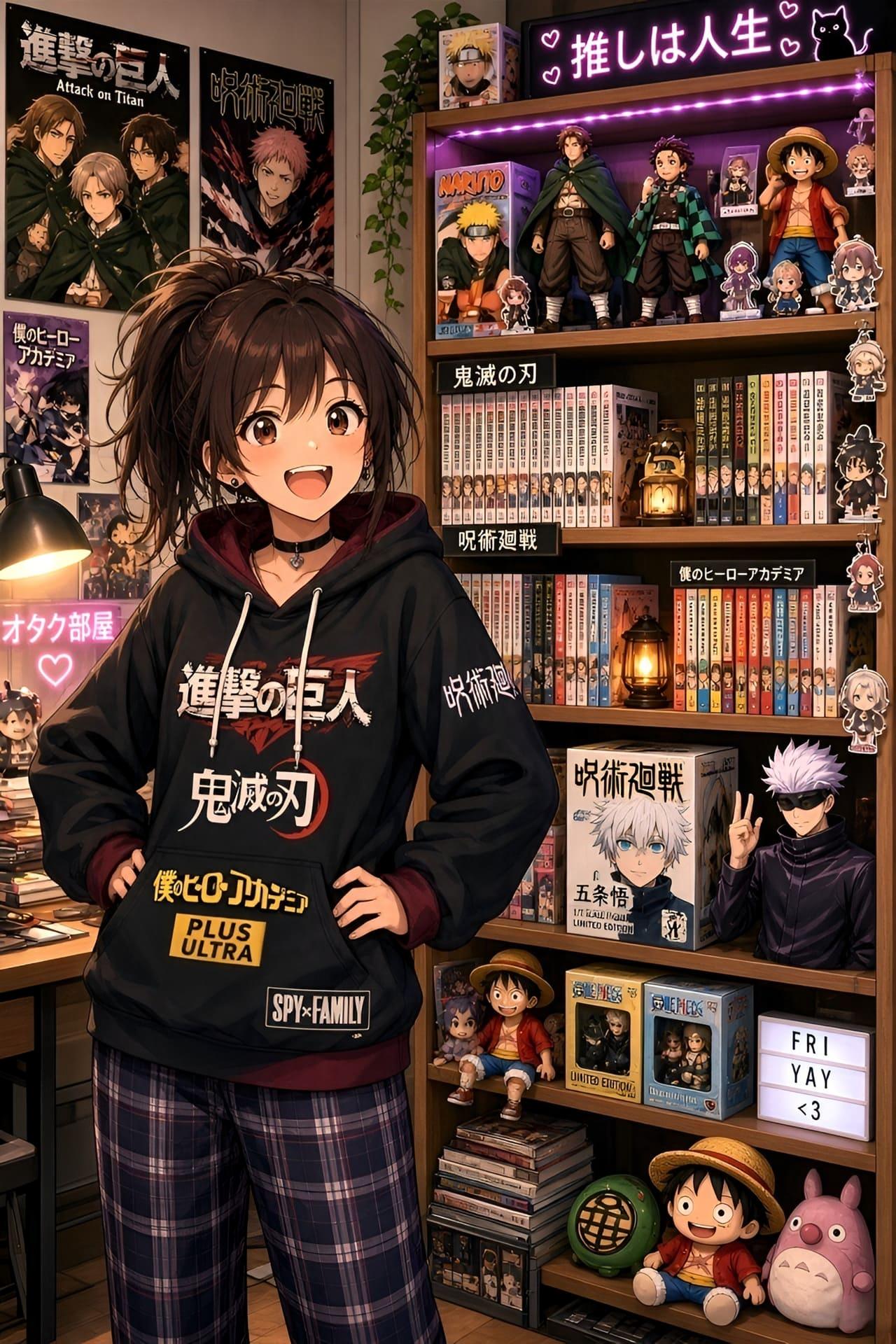
Anime fandom isn’t actually much weirder than any other fandom.
Sports fans paint their faces and scream at televisions.
Gamers spend hundreds of hours mastering virtual worlds. Movie fans memorize every line from their favorite films. Music fans travel across countries to attend concerts.
Every community has behaviors that look unusual from the outside.
Anime just happens to be more visually obvious.
When you combine colorful characters, cosplay, Japanese terminology, intense fan dedication, and a willingness to celebrate unusual interests, the result is a fandom that’s impossible to ignore.
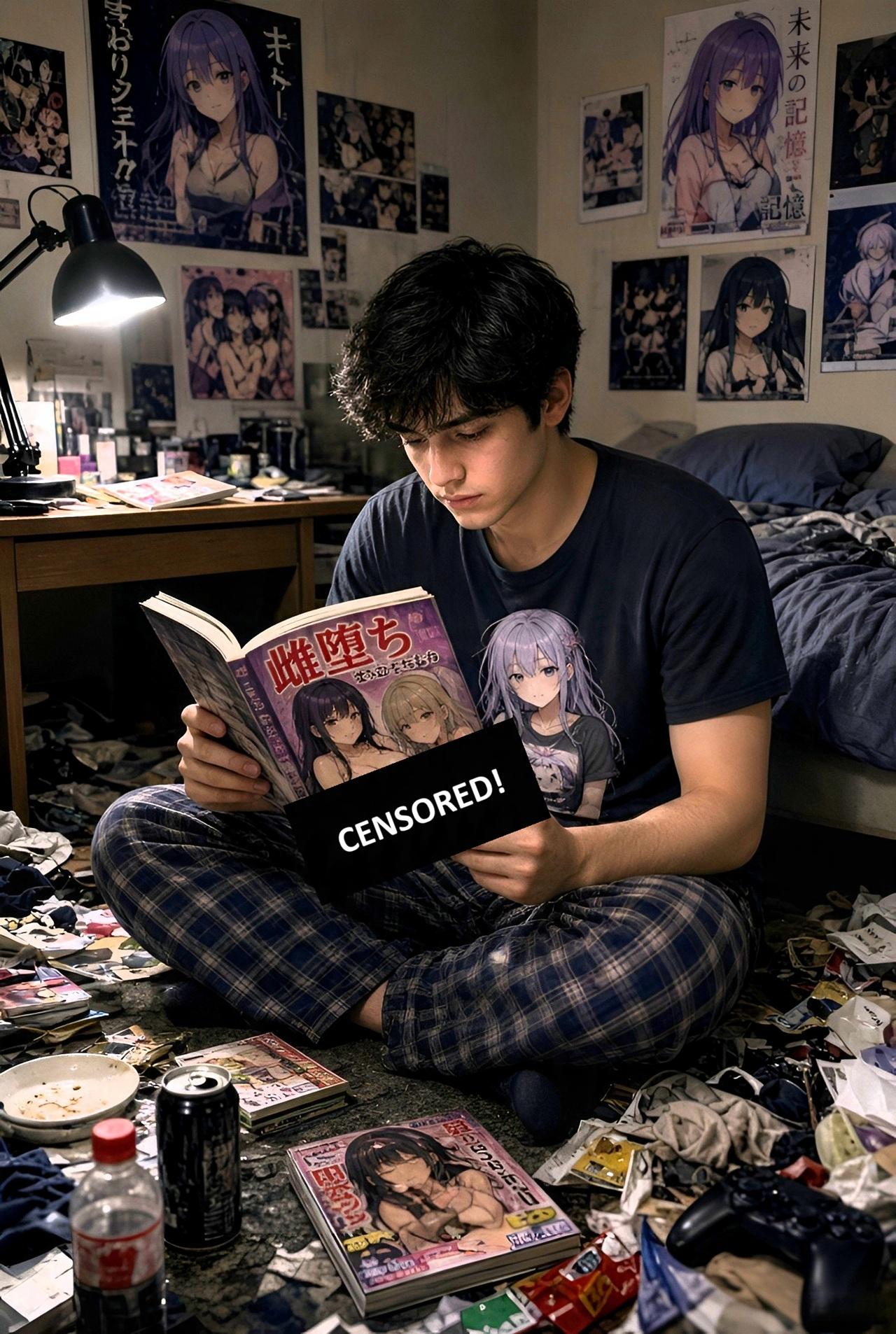
So, is anime weird?
Absolutely.
Is the fandom weird?
Without question.
But that’s also what makes it interesting.
Anime fans have built a community around creativity, passion, imagination, and shared enthusiasm for stories that often push the boundaries of what’s considered normal.
Sure, there are some eccentric behaviors along the way. Every fandom has them.
The difference is that anime never tries to hide its weirdness. Instead, it embraces it.
And for many fans, that’s exactly why we love it.
Credits: Links to the images, websites, and Wikipedia pages for all the anime and games are listed below.
- Anime Manga Art Style: Ai Generated
- Isekai Tavern Woman: Ai Generated
- Highschool Anime: Ai Generated
- Anime Cosplayers: Ai Generated
- Anime Cosplay Convention: Ai Generated
- Anime Merch Stand: Ai Generated
- OTAKU Lady: Ai Generated
- Reading “Manga”: Ai Generated
Images used Disclaimer: This website may contain copyrighted material, the use of which has not been specifically authorized by the copyright owner. I have determined this to be “fair use” of the copyrighted material as referenced and provided for in section 107 of the US Copyright Law. If you wish to use any copyrighted material from this document for purposes of your own that go beyond fair use, you must obtain express permission from the copyright owner.
Related posts:
 What is a Weeb? Meaning and Culture
 What is a Waifu?
 What does it mean when a guy has a “waifu”?
 Anime Was a Mistake!
 What Is The “Kawaii Pose” in Anime?
 Do Adults Watch Anime?
 What was the first Isekai?
 World of Kemono Girls : Adorable and Mesmerizing!
 Eternights! – Zombie Apocalypse – Anime Dating Sim